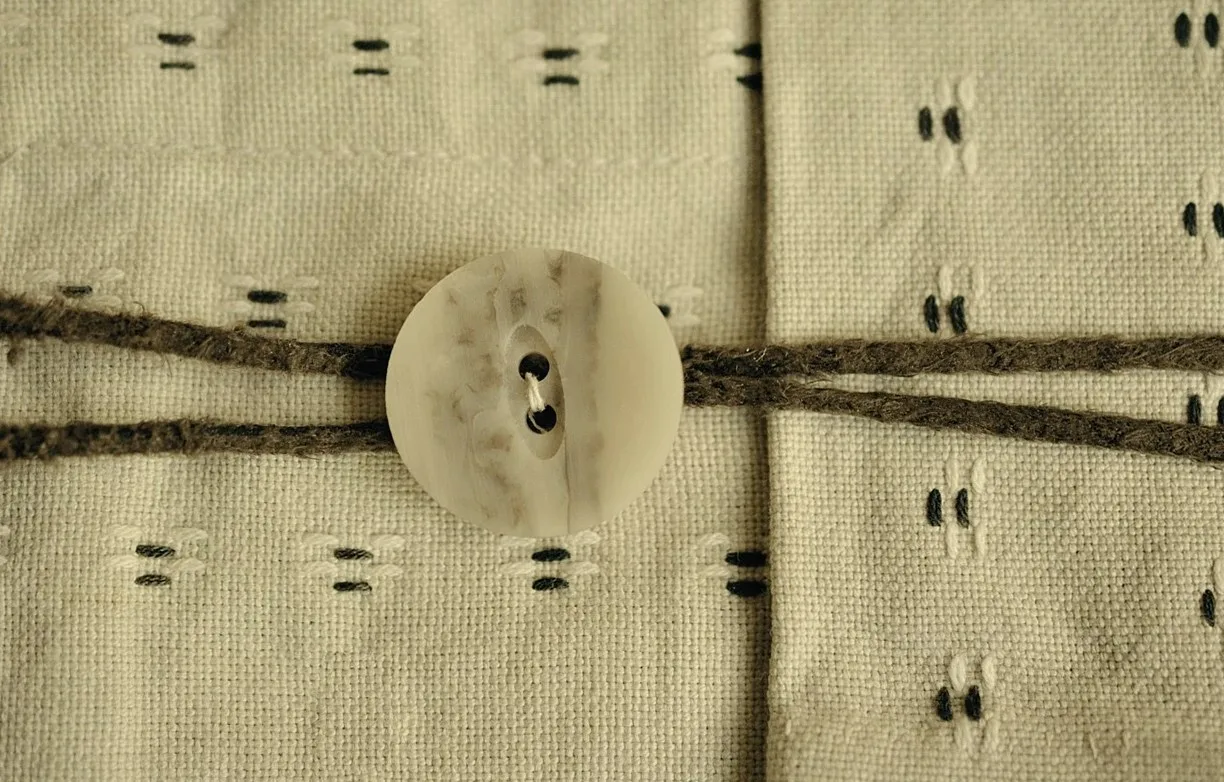
Linen has a quality that most fabrics do not: it tends to improve with age rather than degrade. The fibres soften with washing, the weave relaxes, and the fabric develops a character that new linen does not have. But this is only true of linen that was made well to begin with. Linen that was finished with heavy chemical softeners or woven too loosely will not age the same way.
01 Weight and weave: the two things that matter most
Linen weight is measured in grams per square metre, and for a garment intended to last, you generally want to be above 200gsm. Lighter linens are fine for summer shirts and blouses, but they pill and thin more quickly with repeated washing. The overshirts we carry from the Portuguese mill are 280gsm, which is on the heavier side for a shirt-weight fabric and is part of why they hold up the way they do.
The weave structure matters almost as much as the weight. A plain weave linen will age differently from a twill or a herringbone. Plain weave tends to soften more uniformly; twill develops a slight sheen along the diagonal over time. Neither is better, but knowing which you have helps you understand what to expect.
02 What finishing does to the fabric
Most commercial linen is finished with chemical softeners to make it feel less stiff on the shop floor. This is not inherently bad, but it does mean that the first few washes will change the fabric more dramatically than subsequent ones, as the finishing agents wash out. Linen that has been enzyme-washed or stone-washed before sale has already gone through this process, which is why it feels softer immediately but may not soften further in the same way.
Undyed and unfinished linen, like the natural ecru colourway in our current overshirt, will feel stiffer initially and soften more gradually. After about ten washes, the difference between finished and unfinished linen of the same weight is minimal. After five years, the unfinished linen often has a more interesting texture.
03 Washing and drying habits that help
Linen can be machine washed, which is one of its practical advantages over wool. Cold or warm water, a gentle cycle, and a mild detergent are all you need. The fabric will wrinkle in the wash, and that is fine. Linen wrinkles are not a defect; they are part of what the fabric looks like.
Tumble drying on low heat is acceptable for linen, but line drying or flat drying will extend the life of the fabric. If you want to iron it, do so while it is still slightly damp, with a hot iron. A dry linen garment is much harder to press flat than a damp one.
The overshirts from the 2011 Portuguese run are still coming back into the shop on the backs of the people who bought them. That is the most honest thing we can say about how linen ages.